Quick Summary
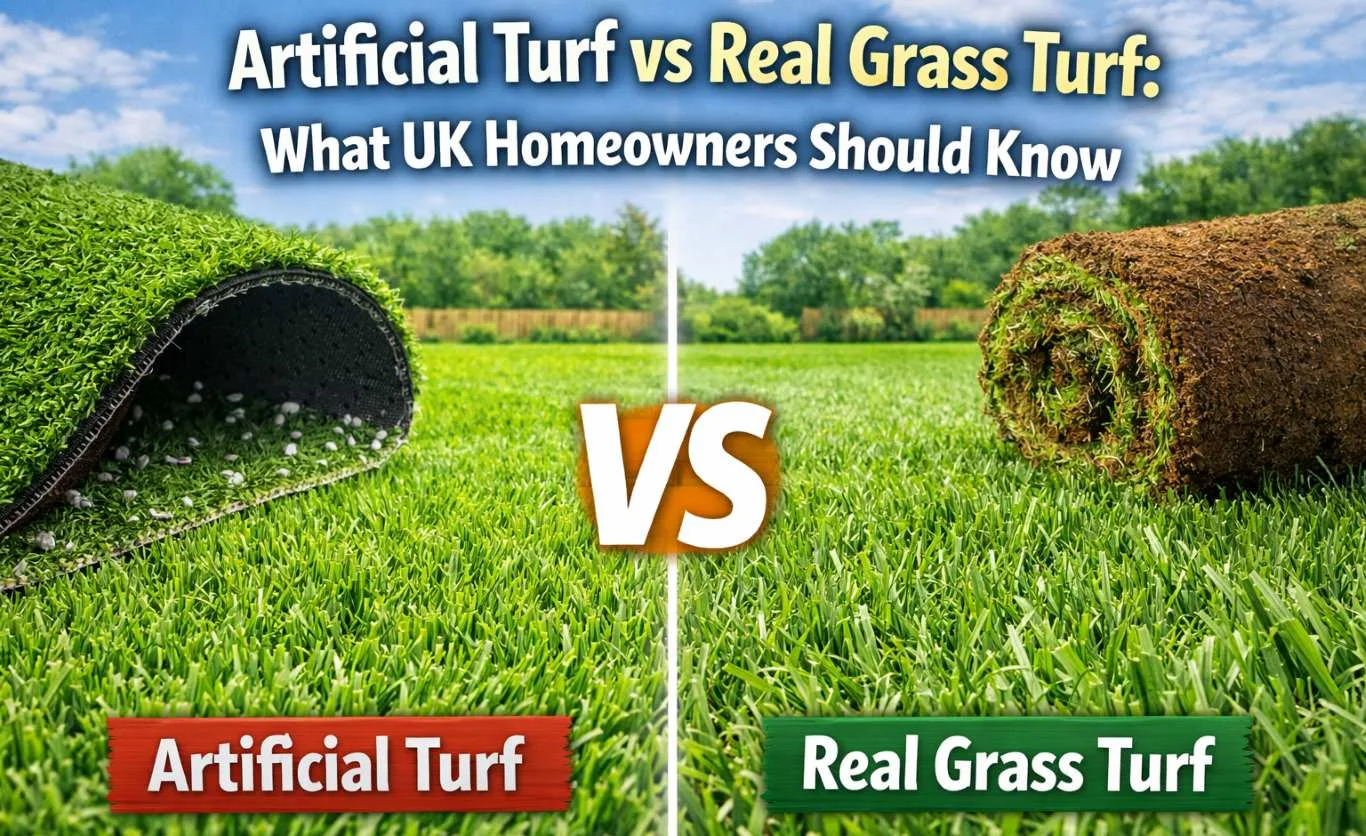
- The debate of artificial turf vs real grass turf often comes down to a choice between synthetic convenience and the undeniable environmental and health benefits of nature.
- Real grass turf naturally cools the surrounding air, provides a vital habitat for local UK biodiversity, and actively filters rainwater.
- Advancements in specialist grass strains mean that common issues, such as heavy shade or drought, can now be solved with natural solutions.
- Unlike plastic alternatives, living turf captures carbon dioxide and releases fresh oxygen, making it the superior choice for eco-conscious homeowners.
- Turf Supplies Essex offers expert guidance on choosing the right natural variety to ensure your lawn is both beautiful and sustainable.
The Real Choice: Understanding Artificial Turf vs Real Grass Turf
Choosing the foundation of your garden is one of the most significant decisions you will make for your property. In recent years, the rise of synthetic surfacing has sparked a widespread debate: artificial turf vs real grass turf. While the promise of a “maintenance-free” plastic lawn is often used as a selling point, many homeowners find that the reality of artificial grass fails to live up to the multisensory, cooling, and environmental richness of a living lawn. A garden should be a sanctuary—a place where the earth breathes and the seasons are felt. For those seeking the authentic, crisp scent of a fresh-cut garden, companies like Turf Supplies Essex provide the high-quality natural grass turf supply & installation needed to create a space that is truly alive.
Click the WhatsApp button below to get expert advice or a free quote from Turf Supplies Essex :
The Environmental Argument: Why Living Grass Wins
When comparing artificial grass or real grass turf, the most striking difference lies in their ecological footprint. A natural lawn is a miniature ecosystem. It is estimated that a small area of grass can host thousands of beneficial insects, providing a critical food source for birds and hedgehogs.
Artificial surfaces, by contrast, are essentially carpets made of plastic, polyester, and polyurethane. When these are laid over the soil, they create a “dead zone” where nothing can burrow or feed. Furthermore, real grass acts as a carbon sink. It absorbs carbon dioxide from the atmosphere and traps it in the soil. Plastic grass is manufactured using fossil fuels and, eventually, will end up in a landfill, as the complex bonded materials are notoriously difficult to recycle. For a forward-thinking homeowner, the choice between artificial or real grass turf is often a choice between supporting the planet or adding to its plastic burden.
Temperature Regulation: The Heat Island Effect
One of the most practical reasons to avoid synthetic grass is its reaction to the British summer. We have all seen how hot a plastic car dashboard or a garden chair can get in the sun. Artificial grass vs real grass turf studies consistently show that synthetic blades can reach temperatures that are uncomfortable, and sometimes even dangerous, for pets and children.
Natural grass turf stays cool through a process called transpiration. Much like humans sweat to stay cool, grass releases water vapour, which naturally lowers the temperature of the surrounding air. In a residential garden, this cooling effect can even help lower the temperature inside your home during a heatwave. When you choose a natural grass turf vs artificial turf, you are essentially installing a natural air conditioning system for your outdoor space.
Solving the “Maintenance” Myth
The strongest argument usually made for plastic is that it requires no work. However, the idea that artificial grass is “zero maintenance” is a misconception. It still requires regular brushing to keep the plastic blades upright, vacuuming to remove debris, and chemical treatments to prevent moss and weeds from growing through the drainage holes. Most importantly, artificial grass must be hosed down to remove pet urine odours, as it lacks the natural soil bacteria that break down waste.
In contrast, modern developments in natural turf have made it easier than ever to maintain a beautiful lawn with minimal effort. At Turf Supplies Essex, we have seen a shift toward specialist grass varieties that solve specific garden problems naturally:
- Shade Master Turf: This is the ultimate solution for those tricky, north-facing gardens or areas under heavy tree canopies. It thrives in limited sunlight, remaining lush and soft without the need for constant reseeding.
- Essex Premium Sun Turf: For the sun-drenched gardens of the south-east, this variety offers incredibly fast growth and a rich, deep colour. It is durable enough to withstand the rigours of family life and garden parties.
- Drought Defender Turf: In an era of increasing water restrictions, this variety is a game-changer. It stays green with significantly less water than traditional lawns, making it an eco-friendly and low-maintenance natural alternative to plastic.
When you weigh artificial vs real grass turf, these specialist natural options prove that you don’t need to resort to plastic to have a lawn that looks perfect year-round.
Thinking to order high-quality natural grass turf?
The Sensory and Health Benefits
There is a psychological benefit to natural greenery that a factory-made product simply cannot replicate. The “Biophilia Hypothesis” suggests that humans have an innate tendency to seek connections with nature. Walking barefoot on real grass, the scent of a freshly mowed lawn, and seeing the change of colour through the seasons all contribute to reduced stress levels and improved mental well-being.
Furthermore, real grass vs artificial turf considerations must include physical health. Natural turf is a much safer surface for active play. It has a natural “give” that cushions falls. Synthetic turf can cause “turf burn”—painful skin abrasions—and there is ongoing research into the health implications of the microplastics and rubber crumb infill often found in older artificial installations.
Drainage and Soil Health
Essex is known for its heavy clay soil, which can be prone to waterlogging. Natural grass is an expert at managing water. Its deep root systems create channels in the soil, allowing rainwater to filter down into the water table. This prevents surface runoff, which is a major contributor to local flooding.
Artificial turf requires a complex sub-base of crushed stone and sand to allow for drainage. If this isn’t installed perfectly, or if the drainage holes become clogged with silt over time, you can end up with stagnant puddles on your plastic lawn. A living lawn improves the soil structure over time, whereas a plastic lawn gradually degrades the soil quality beneath it, making it much harder to grow anything else in that area in the future.
Longevity and Value for Money
While the initial cost of artificial turf vs real grass turf might suggest that plastic is a “one-time” investment, that isn’t strictly true. Most artificial lawns have a lifespan of 10 to 15 years. After this, the blades become frayed, the colour fades, and the backing can crack.
A natural lawn, if properly cared for, can last for generations. It is self-repairing; if a patch becomes damaged, the grass will naturally grow back into the space. When you consider the cost of a 1-ton bag of topsoil and high-quality turf rolls for sale near me, the investment in a natural lawn is significantly lower than the cost of high-end synthetic grass and its complex installation. Furthermore, most estate agents agree that a well-maintained natural garden adds more value to a property than a synthetic one, as many buyers are now actively avoiding plastic grass.
Finding the Right Partner for Your Lawn
If you have decided that the benefits of nature outweigh the hollow promises of plastic, the next step is sourcing the right material. Searching for turf suppliers near me will yield many results, but it is crucial to find a team that understands the local climate.
At Turf Supplies Essex, we pride ourselves on being more than just a delivery service. We are experts in the Essex landscape, ensuring that the turf you choose—whether it’s the resilient Drought Defender or the elegant Shade Master—is perfectly suited to your garden’s specific light and soil conditions.
FAQs Section
1. Does artificial grass drain as well as real turf?
While artificial grass is designed to be permeable, it can never match the vertical drainage capacity of deep-rooted natural grass. On heavy Essex clay, natural turf is much better at preventing surface water and runoff.
2. Is real grass safe for dogs and cats?
Absolutely. In fact, it is the most natural environment for them. Unlike artificial grass, which can become dangerously hot for paws in the summer and can trap bacteria from pet waste, real grass is self-cleaning to an extent and stays cool throughout the day.
3. How long does it take for new turf to establish?
With proper preparation, you can usually walk on your new lawn within 2 to 3 weeks. Our team at Turf Supplies Essex provides full aftercare instructions to ensure your new grass knits into the soil as quickly as possible.
4. Do you provide installation services in my area?
We offer professional supply and installation throughout Essex and surrounding areas. We are known for our rapid response times and our commitment to leaving every site clean and tidy.
5. Can I lay natural turf at any time of year?
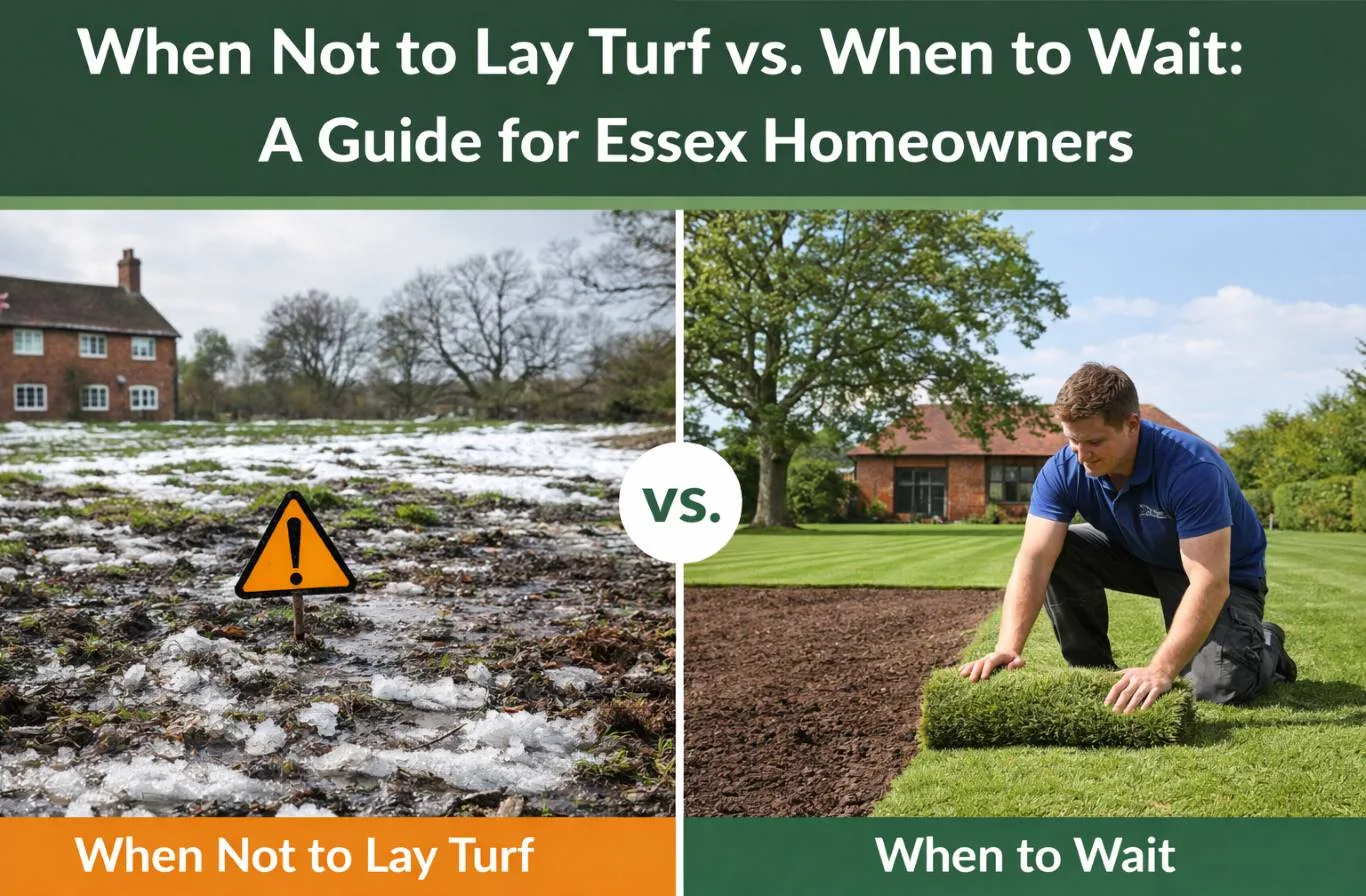
You can lay turf at almost any time, provided the ground isn’t frozen or waterlogged. Spring and Autumn are the traditional favourites, but with our Drought Defender variety and proper irrigation, even summer installations can be incredibly successful.
Final Thoughts on Choosing a Living Lawn
When we look at the comparison of artificial turf vs real grass turf, the winner is clear for anyone who values the environment, the health of their family, and the true beauty of a British garden. Plastic grass may offer a temporary aesthetic, but it is a static, sterile choice. A natural lawn is a living, changing part of your home that gives back to the earth as much as it gives to you.
Choosing a natural lawn is a commitment to quality and sustainability. With the help of Turf Supplies Essex, you can transform your garden into a lush, green masterpiece that supports local wildlife and provides a cool, safe place for your family to grow. Don’t settle for a synthetic substitute; choose the enduring excellence of natural grass.