TL;DR Summary
- Wood chippings for the garden serve as a multi-purpose tool for moisture retention, weed suppression, and long-term soil enrichment.
- Using high-quality mulch promotes a healthy underground ecosystem by encouraging earthworm activity and beneficial fungi.
- Organic wood chips act as a natural temperature regulator, protecting delicate roots from Essex’s frost and summer heatwaves.
- For those looking for professional results, Turf Supplies Essex provides sustainably sourced chippings that integrate seamlessly into any landscaping project.
- This guide explores the science of soil health and the practical steps to transforming your outdoor space using natural timber by-products.
The Benefits of Wood Chippings for Healthy Garden Soil
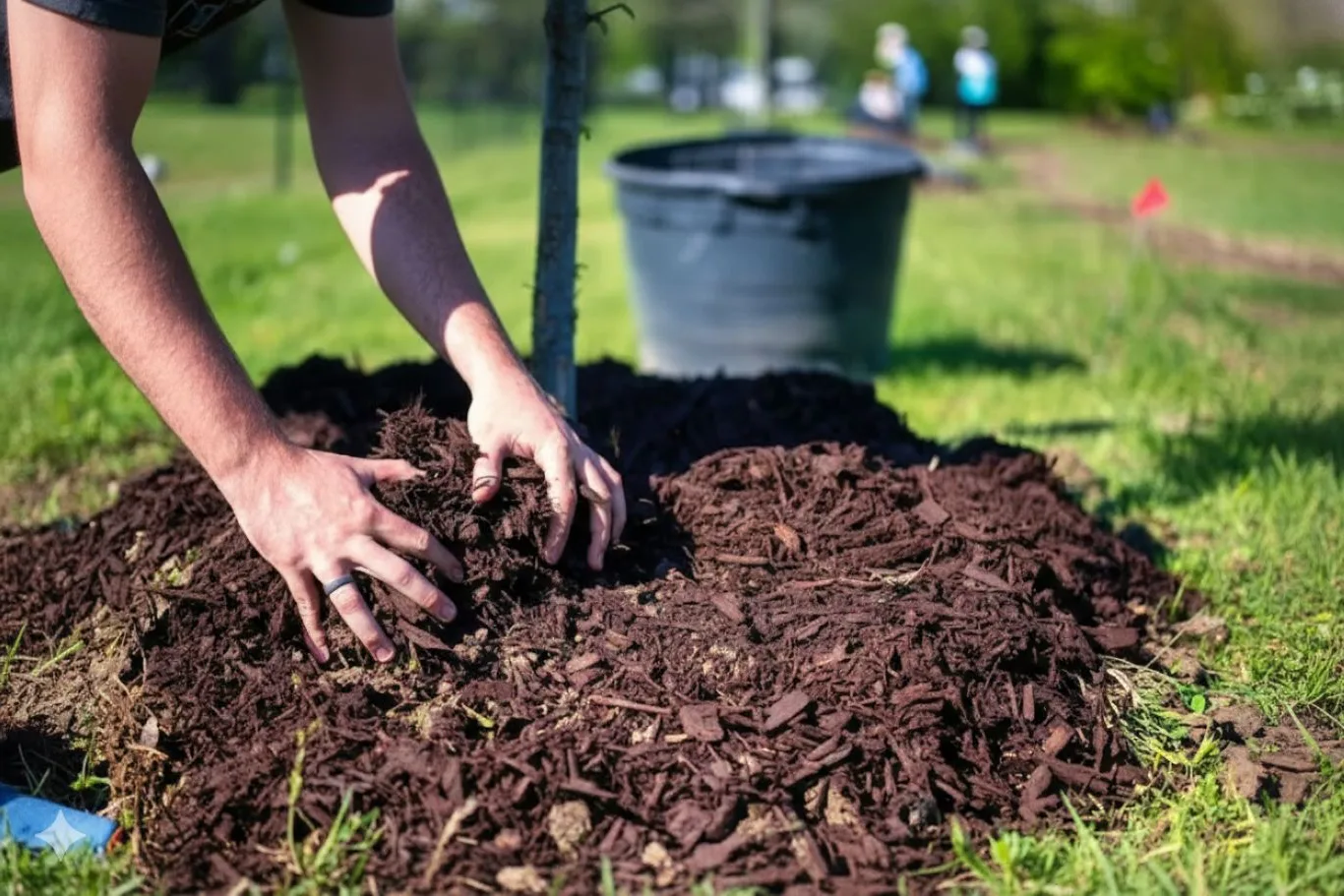
Creating a thriving, resilient garden starts from the ground up—literally. While many gardeners focus on the plants they see above the surface, the real magic happens in the complex biological world beneath our boots. One of the most effective, traditional, and aesthetically pleasing ways to bolster this ecosystem is the strategic use of wood chippings for the garden. Whether you are looking to define a woodland path or provide a protective blanket for your flower beds, the right organic mulch can be a game-changer. For homeowners seeking reliable wood chippings for the gardens in Essex, turning to a local specialist like Turf Supplies Essex ensures you receive fresh, high-grade materials that are ready to go to work for your soil immediately.
Click the WhatsApp button below to order wood chippings from Turf Supplies Essex :
Understanding the Role of Wood Chippings in Soil Science
Soil health is often defined by its structure, nutrient content, and microbial life. When we leave soil bare, it is vulnerable to erosion, compaction from heavy rain, and nutrient leaching. By introducing wood chips for the garden, you are essentially mimicking the natural “litter layer” found on a forest floor. This layer is the primary source of nutrients for wild ecosystems.
As these chippings sit on the surface, they begin a slow process of decomposition. Unlike compost, which provides a quick burst of nutrients, wood chips act as a slow-release “multivitamin” for the earth. They are carbon-rich, and as specialized fungi break down the lignin and cellulose in the wood, they pull nitrogen from the air and store it in the soil, eventually releasing it in a stable form that plants can easily absorb.
The Moisture Connection
In the UK, our weather can be notoriously unpredictable. We fluctuate between weeks of grey drizzle and sudden, parched dry spells. Garden wood chippings act as a hydraulic buffer. By shading the soil from the direct sun, they significantly reduce the rate of evaporation. This means you spend less time with the hose and your plants suffer less “drought stress.”
Furthermore, during heavy downpours, a thick layer of mulch breaks the impact of the water droplets. Instead of the rain hitting the dirt and causing a crusty, compacted surface, the water trickles through the gaps between the chips, allowing it to soak deep into the root zone where it is needed most.
Temperature Regulation and Root Protection
We often forget that plant roots are sensitive to temperature swings. Intense heat can “cook” shallow roots, while a sudden hard frost can cause the ground to heave, damaging the delicate capillary hairs that take up water.
Applying wood chips landscaping techniques involves creating a consistent thermal blanket. In the winter, the trapped air within the mulch layer acts as insulation, keeping the ground a few degrees warmer than the ambient air. In the summer, it keeps the root zone cool. This stability is vital for perennial plants and shrubs that need a consistent environment to establish deep, strong root systems.
Enhancing Microbial Life and Biodiversity
Healthy soil is alive. A single teaspoon of healthy garden soil contains more microbes than there are people on Earth. These bacteria, fungi, and protozoa are the “engine room” of your garden, breaking down organic matter and making minerals bioavailable to your plants.
Wood chippings are a haven for these organisms. In particular, they encourage the growth of mycorrhizal fungi. These fungi form a symbiotic relationship with plant roots, effectively extending the root system’s reach and helping the plant find water and phosphorus in exchange for sugars. When you use hard wood chippings, you are providing a long-lasting food source for these fungi, ensuring your soil remains “alive” for years to come.
Choosing the Right Material: The 1-Ton Solution
When it comes to sourcing your materials, volume and quality matter. It is often far more cost-effective to buy in bulk rather than struggling with dozens of small plastic bags from a local garden centre. At Turf Supplies Essex, a 1-ton bag of wood chippings is available for just £25.00, offering an incredibly affordable way to cover large areas.
A ton bag is usually the perfect amount for a standard residential project, allowing for a generous depth of 2 to 4 inches across several large borders or a significant pathway. Using a substantial volume ensures that the mulch actually does its job; a thin sprinkling of wood will quickly disappear and won’t provide the weed suppression or moisture retention required for a healthy garden.
Thinking to order wood chippings?
Step-by-Step: How to Apply Wood Chippings Correctly
To get the most out of your wood chippings for the UK gardens, follow these professional landscaping steps:
- Clear the Area: Remove existing perennial weeds by the root. While mulch smothers annual seeds, tough weeds like dandelions or nettles can sometimes push through if not addressed first.
- Edge Your Borders: Create a clean edge between your lawn and your flower beds. This prevents the wood chips from migrating into the grass and keeps the garden looking sharp.
- Hydrate First: Never mulch over bone-dry soil. Water your plants thoroughly before applying the chippings to “lock in” that moisture.
- The “Donut” Rule: When spreading the wood, keep it a few inches away from the actual stems or trunks of your plants and trees. Piling wood chips directly against a trunk can hold too much moisture against the bark, potentially leading to rot or fungal issues.
- Aim for Depth: For effective weed suppression and soil health, aim for a depth of at least 75mm (3 inches).
Long-Term Maintenance: When to Top Up
One of the beautiful things about organic wood mulch is that it disappears over time—but that is also why it needs maintenance. As the bottom layer turns into rich, dark humus, the total depth will decrease. Generally, a “top-up” every 12 to 18 months is sufficient to maintain the aesthetic and functional benefits.
By regularly adding fresh material, you are ensuring a constant cycle of decomposition and nutrient return. This is the secret to those lush, vibrant gardens that seem to thrive even in challenging Essex clay or sandy coastal soils.
Finding Quality Wood Chips Near You
As your garden evolves, you’ll find that having a reliable source for materials is essential. If you’ve been searching for wood chippings near me or need to find bulk wood chips near me to finish a large landscaping renovation, looking local is always the best route. Not only does it reduce the carbon footprint of the delivery, but local suppliers understand the specific soil conditions of the region.
Searching for wood chips for sale near me often leads to many options, but it is important to choose a supplier that provides clean, consistent material free from trash or chemical treatments. A professional provider will ensure the wood is chipped to a size that balances durability with a pleasing visual texture, making it suitable for both functional paths and decorative borders.
Frequently Asked Questions
1. How long do wood chippings last before they turn to soil?
Typically, wood chippings will last between 2 and 4 years depending on the type of wood and the local climate. Hardwoods tend to last longer than softwoods. You will notice the layer thinning over time as the base integrates into the earth, which is exactly what you want for improving soil structure.
2. Do wood chippings attract pests like slugs or snails?
While any mulch provides a moist environment, wood chippings are generally less attractive to slugs than leafy mulches or grass clippings. In fact, many gardeners find that the slightly rough texture of fresh wood chips can actually act as a mild deterrent for soft-bodied pests.
3. Are wood chippings available for delivery across all of Essex?
Yes, Turf Supplies Essex provides delivery throughout the county. Whether you are in Epping, Chelmsford, Colchester, or the surrounding coastal towns, we ensure our premium products reach your doorstep promptly.
4. How quickly can I get a delivery?
We pride ourselves on a fast and professional turnaround. Most orders are processed and scheduled for delivery within a few working days, ensuring your weekend gardening project stays on track.
Final Thoughts on Garden Transformation
In the world of sustainable gardening, few things offer as much “bang for your buck” as high-quality timber mulch. It solves multiple problems at once: it stops weeds, saves water, protects roots, and feeds the soil. It is the ultimate low-maintenance solution for the high-impact gardener.
By choosing to use wood chippings for the garden, you are making a long-term investment in the fertility and health of your land. Whether you are a professional landscaper or a weekend hobbyist, the results speak for themselves in the form of more vigorous plant growth and a cleaner, more finished garden appearance. For those searching for the best wood chippings for the gardens in Essex, Turf Supplies Essex remains a trusted partner in providing the high-grade, affordable materials you need to succeed.
Ready to give your soil the boost it deserves? A more vibrant, healthier garden is just a ton bag away.