
TL;DR Summary
- Turf shrinking after laying is a common yet preventable issue caused primarily by moisture loss within the grass rolls.
- Gaps between turf rolls occur when the grass blades and soil backing dry out, causing the organic material to contract.
- Immediate and consistent irrigation is the most effective way to reverse minor shrinkage and ensure root establishment.
- Meticulous ground preparation and tight “butting up” during installation are critical preventative measures.
- Turf Supplies Essex provides premium, freshly harvested turf to help Essex homeowners avoid the pitfalls of dehydrated, shrinking grass.
Identifying and Preventing Turf Shrinking After Laying
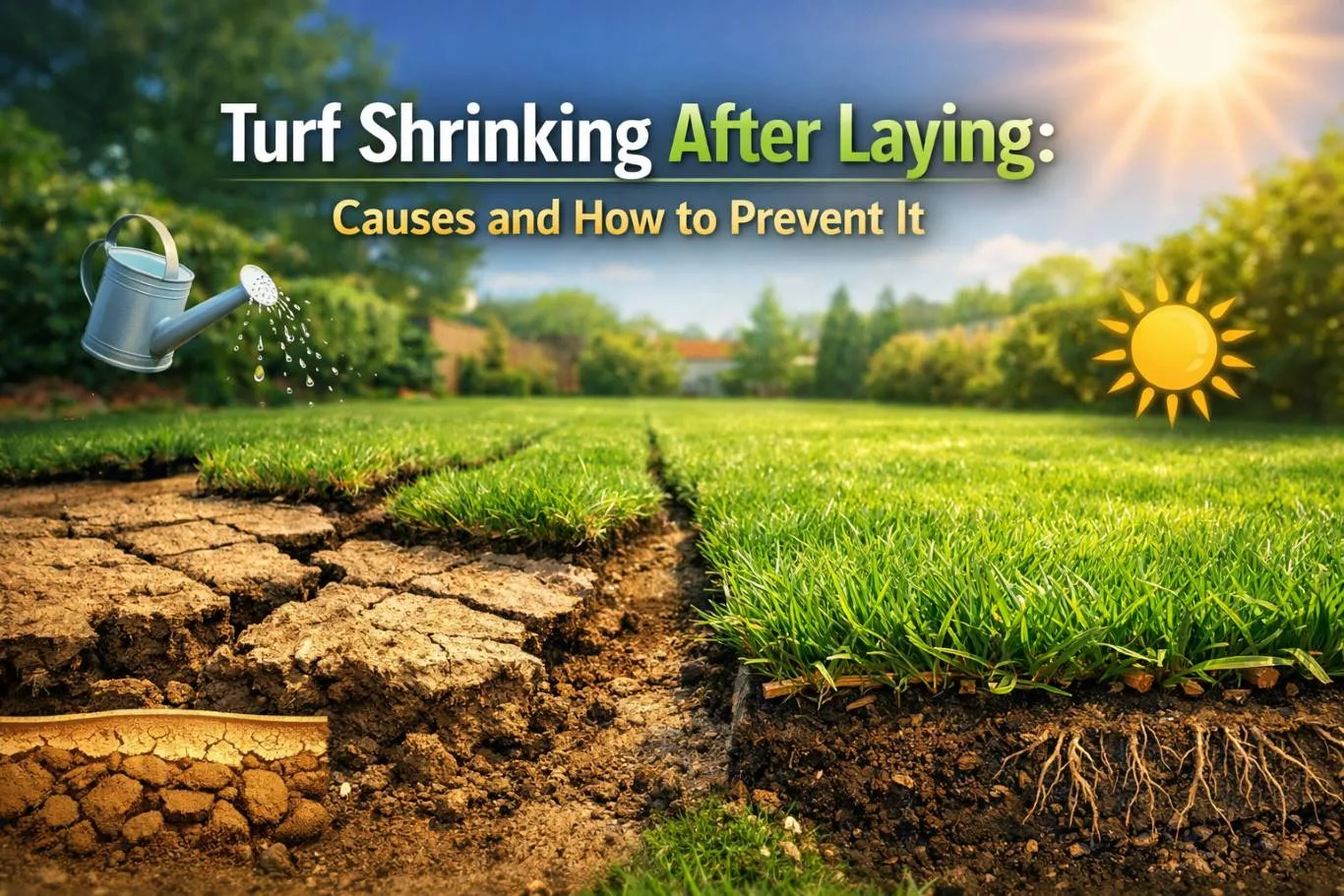
Watching a new lawn transform your garden is a rewarding experience, but that initial excitement can quickly turn to concern if you start to see gaps appearing between your carefully laid rolls. Turf shrinking after laying is a phenomenon that frustrates many gardeners, yet it is almost always a direct result of environmental stress or installation technique. When grass is harvested, its root system is cut, leaving the plant temporarily unable to draw water from the deep soil. If the turf loses moisture faster than it can be replenished, the rolls physically contract, leading to unsightly brown gaps and exposed soil. At Turf Supplies Essex, we pride ourselves on being a reliable local provider of natural grass turf delivery + installation, and we believe that understanding the “why” behind turf contraction is the first step toward a flawless, resilient lawn. By following professional guidance, you can ensure your investment remains a lush, seamless carpet of green.
Click the WhatsApp button below to get natural grass turf delivery & installation services from Turf Supplies Essex :
The Science Behind Turf Contraction
To solve the problem of turf shrinking after laying, we must first understand what turf actually is: a living, breathing organism. Each roll consists of a dense network of grass plants held together by a thin layer of soil and a web of roots. Like any organic material, this root mat is subject to the laws of physics—specifically, thermal and moisture-related expansion and contraction.
When turf is freshly harvested and full of water, it is at its maximum size. However, the moment it is cut from the field, it begins to lose moisture through its leaves via a process called transpiration. If the rolls sit on a pallet for too long, or if they are laid onto dry ground without immediate irrigation, the cells within the plant and the soil backing lose their turgidity. As the water leaves, the volume of the roll decreases. The result? A lawn that looked perfectly joined on Saturday morning may show 5mm to 10mm gaps by Monday afternoon.
Primary Causes of Shrinkage
While dehydration is the overarching theme, several specific factors contribute to the severity of the shrinkage you might encounter in your UK garden.
1. High Temperatures and Wind
In the South East, particularly during the late spring and summer months, the sun and wind can be a lethal combination for new grass. Wind, in particular, is often underestimated; a stiff breeze can strip moisture from grass blades far faster than heat alone. If you are laying turf during a warm spell, the rate of evaporation is incredibly high.
2. Poor Ground Preparation
If you lay your turf onto “dusty” or bone-dry topsoil, the ground will actually act like a sponge in reverse, sucking the remaining moisture out of the turf backing. Professional installation requires a damp, nutrient-rich base to encourage the roots to “knit” downward immediately.
3. Delayed Watering
There is a common misconception that you should wait until the entire lawn is finished before turning on the sprinkler. If you have a large garden, the first rolls you laid could be shrinking before you’ve even unrolled the last one.
4. Gaps During Installation
If the rolls are not “butted up” tightly enough during the initial lay, even a tiny amount of natural contraction will create a glaring gap. You shouldn’t overlap the turf, but you must ensure the edges are firmly pressed against one another so that they form a single, continuous surface.
How to Prevent Turf Shrinkage
Prevention is significantly easier than a cure when it comes to landscaping. Here is how the professionals at Turf Supplies Essex ensure a seamless finish every time.
Lay Turf Immediately Upon Delivery
Freshness is everything. Turf is a perishable product. Ideally, it should be laid within 24 hours of being harvested—and even sooner in the heat of summer. If you leave your pallets sitting on a hot driveway for two days, the rolls in the centre will begin to “cook” and shrink before they even touch the soil.
Prepare the “Receiving” Soil
Before the delivery truck arrives, ensure your soil is levelled, raked, and lightly dampened. You don’t want a bog, but a cool, moist surface will provide an immediate refuge for the cut roots and help maintain the moisture levels within the roll.
The “Water As You Go” Method
For larger projects, water the lawn in sections. Once you have laid about 20 square metres, set up a sprinkler to soak that area while you continue laying the rest. This prevents the initial sections from drying out while your back is turned.
Firming the Joins
As you lay each roll, use a wooden plank or a light lawn roller to press the turf into the soil. This ensures “root-to-soil contact,” which is vital for moisture transfer. Pay special attention to the seams; ensure they are tightly packed together.
What to Do if Gaps Have Already Appeared
If you are already seeing gaps due to turf shrinking after laying, don’t panic. In many cases, the situation is reversible if caught early.
- Heavy Irrigation: Your first move should be a deep, thorough soak. Water the lawn until the soil underneath the turf feels spongy. In many instances, the turf will re-hydrate and “plump up,” closing the gaps naturally.
- Top-Dressing the Gaps: If the gaps are wider than 10mm and don’t close after watering, you may need to fill them. Use a mixture of high-quality screened topsoil and grass seed. Fill the cracks to the level of the grass blades. This prevents the edges of the turf rolls from drying out further and allows new grass to grow in the voids, eventually masking the joins.
- Avoid Walking on It: While the turf is shrinking and you are trying to re-hydrate it, the lawn is in a fragile state. Walking on it can further damage the struggling roots and compress the soil, making recovery harder.
Why Quality and Locality Matter
One of the biggest factors in avoiding shrinkage is the time elapsed between harvest and installation. Buying from a “big box” national retailer often means the turf has spent days in transit or sitting in a distribution centre.
By choosing Turf Supplies Essex, you are opting for a local specialist. We understand the specific soil types and climate challenges in the Essex and UK region. Our turf is harvested fresh and delivered quickly, ensuring it arrives at your property with its internal moisture levels intact. This significantly reduces the risk of the grass going into “shock” and contracting.
FAQs Section
Q1: Can I save turf that has already turned brown and shrunk?
If the turf is brown but still has some flexibility, it is likely dormant rather than dead. A consistent, heavy watering regime for 7-10 days can often bring it back to life. However, if the turf is “crispy” and crumbles when you touch it, it may need to be replaced.
Q2: How much water does new turf actually need to stop shrinking?
In the first two weeks, the soil underneath the turf must remain permanently moist. This usually requires watering once or twice a day—early morning and late evening are best. You should water until the water has soaked through the turf backing into the soil below.
Q3: Is it normal to see the joins at first?
Yes, it is perfectly normal to see the “lines” of the rolls for the first 2-3 weeks. However, these should be tight seams, not open gaps. As the grass grows and you begin your mowing routine, these lines will naturally disappear.
Q4: Do you provide installation services in my area?
Turf Supplies Essex provides professional installation and delivery across the entire county and surrounding areas. Our team is experienced in handling the specific challenges of Essex clay and ensuring that every lawn is laid to prevent shrinkage from day one.
Q5: Does rainfall count as watering?
Rarely. While a heavy downpour is helpful, a standard British drizzle usually only wets the grass blades and doesn’t soak into the soil backing where it’s needed. Always check the moisture levels manually by lifting a corner of the turf.
Final Thoughts: A Seamless Green Sanctuary
A beautiful lawn is the foundation of a great garden, but it requires a disciplined start. While turf shrinking after laying can be a disheartening sight, it is almost always a manageable issue rooted in hydration. By preparing your soil correctly, laying your grass promptly, and committing to a rigorous watering schedule in those first critical weeks, you can ensure a seamless, healthy finish.
When you work with a professional team like Turf Supplies Essex, you aren’t just buying grass; you are buying expertise. We are dedicated to providing the best natural grass turf delivery + installation in the region, ensuring that every customer has the tools and knowledge to avoid common pitfalls. With the right care and a high-quality product, your garden can become the lush, green sanctuary you’ve always wanted.