Quick Summary
- This guide explains how wood chippings for the garden can improve soil health, reduce weeds, and enhance outdoor spaces.
- Covers practical uses for borders, paths, and landscaped areas.
- Highlights how quality wood chippings support moisture retention and plant growth.
- Includes local advice for homeowners in Essex and surrounding areas.
- Helps you choose the right supplier and use wood chippings effectively for long-term results.
Using wood chippings for the garden is one of the simplest and most cost-effective ways to improve the look and health of your outdoor space. From suppressing weeds to protecting soil structure, this natural material plays a valuable role in modern gardening. Homeowners looking for reliable wood chippings for the gardens in Essex often turn to trusted suppliers such as Turf Supplies Essex, where affordable, high-quality products make it easier to maintain tidy, healthy gardens. With thoughtful use and proper application, wood chippings can transform ordinary outdoor areas into low-maintenance, attractive spaces.
In this guide, we’ll explore how wood chippings work, where they perform best, and how to get the most from them in real garden conditions.
Click the WhatsApp button below to order wood chippings from Turf Supplies Essex :
Why Wood Chippings Matter in Everyday Gardening
Gardens constantly lose moisture, nutrients, and structure through weather and regular use. Bare soil is vulnerable to erosion, weed growth, and temperature fluctuations. Adding organic mulch, such as wood chippings, creates a protective layer that supports long-term plant health.
When applied correctly, wood chippings:
- Reduce evaporation in hot weather
- Prevent weed seeds from germinating
- Improve soil structure over time
- Protect roots from frost and heat
- Enhance the appearance of garden beds
This is why experienced gardeners increasingly rely on wood-based mulch rather than leaving soil exposed.
Understanding Different Types of Wood Chippings
Not all wood chippings are the same. Knowing the difference helps you choose the right material for your garden.
Hardwood and Mixed Wood Chippings
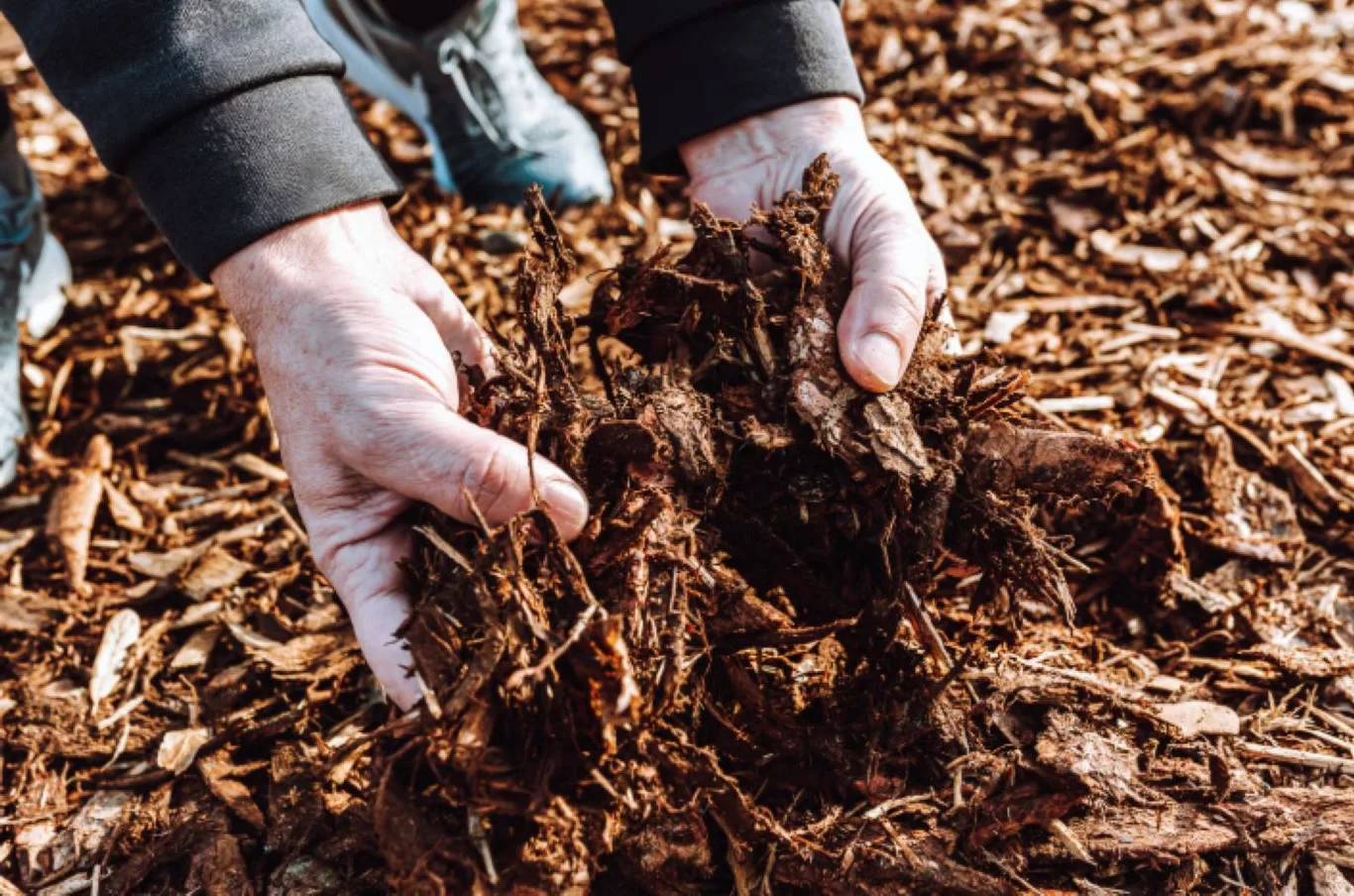
Hard wood chippings tend to break down slowly, making them ideal for long-term mulching and pathways. They provide excellent durability while still improving soil quality over time.
Fine vs Coarse Chippings
Finer chippings decompose faster and are better suited for borders and flowerbeds. Coarser chips last longer and work well for paths and high-traffic areas.
Natural and Untreated Materials
Always choose untreated, chemical-free chippings to avoid harming plants and soil organisms. Quality suppliers ensure their products are safe for garden use.
Practical Uses of Wood Chippings in Your Garden
1. Mulching Flowerbeds and Borders
Using wood chips mulch around plants helps retain moisture, suppress weeds, and regulate soil temperature. Spread a layer of 5–8 cm around shrubs, perennials, and trees, keeping material slightly away from stems.
2. Creating Garden Pathways
One of the most popular uses is wood chips for pathways. They provide a soft, natural walking surface that blends well with surrounding greenery. With proper edging and occasional top-ups, chip paths can last for years.
3. Improving Landscape Design
Modern gardeners often use wood chips landscaping to define zones, frame planting areas, and create visual contrast. Light-coloured chips brighten shaded spaces, while darker chips add depth and structure.
4. Supporting Soil Health
As garden wood chippings decompose, they release organic matter into the soil. This encourages beneficial microbes and improves drainage, especially in compacted ground.
5. Protecting Tree Bases and Shrubs
Applying wood chips for the garden around trees helps prevent grass competition and reduces the need for frequent trimming near trunks.
Wood Chippings in the UK Climate
Gardening in Britain presents unique challenges: heavy rainfall, clay soils, and unpredictable seasons. Choosing wood chippings for the UK conditions means selecting materials that drain well, resist compaction, and cope with wet weather.
In Essex and surrounding counties, wood chippings help manage surface water while preventing soil erosion during winter months. They also reduce cracking and drying in summer, making them a year-round solution.
Buying Wood Chippings: What to Look For
When sourcing wood chippings, quality matters. Poor-grade materials may contain debris, uneven sizes, or excessive dust.
Look for suppliers that offer:
- Consistent chip size
- Clean, untreated material
- Reliable delivery
- Transparent pricing
Turf Supplies Essex supplies a practical option for homeowners with its 1-ton bag of wood chippings priced at £35.00. This provides excellent coverage for borders, pathways, and landscaped areas, making it a cost-effective solution for both small and larger gardens.
Thinking to order wood chippings?
How Much Wood Chippings Do You Need?
Coverage depends on depth and area. As a general guide:
- 1 ton covers approximately 10–12 m² at 5 cm depth
- Thicker layers last longer but require more material
- Pathways may need deeper coverage than borders
Planning accurately prevents under-buying and uneven application.
Application Tips for Best Results
Prepare the Area First
Remove weeds, stones, and debris before spreading chippings. For heavy weed problems, consider a breathable membrane underneath.
Apply at the Right Depth
Too thin and weeds will grow through. Too thick and water may struggle to penetrate. Aim for 5–8 cm.
Reapply When Needed
Organic mulch breaks down naturally. Top up once or twice a year to maintain effectiveness.
Avoid Piling Against Stems
Keep chippings a few centimetres away from plant bases to prevent rot and pest issues.
Environmental Benefits of Wood Chippings
Using recycled wood products supports sustainable gardening. Wood chippings often come from tree management and forestry waste, reducing landfill use and encouraging natural recycling.
They also improve biodiversity by supporting soil life and creating habitats for beneficial insects.
FAQs About Wood Chippings for Gardens
1. Do you deliver wood chippings across Essex?
Yes, suppliers like Turf Supplies Essex provide delivery throughout Essex and nearby areas, depending on location and availability.
2. How quickly can wood chippings be delivered locally?
In most cases, delivery can be arranged within a few working days, depending on demand and seasonal conditions.
3. Are wood chippings suitable for vegetable gardens?
Yes, when kept away from plant stems and used as surface mulch, they help retain moisture and improve soil structure.
4. Will wood chippings attract pests?
Properly maintained mulch does not usually cause pest problems. Avoid overly thick layers and keep material dry.
5. Can I use wood chippings on sloped areas?
Yes, with edging or light compacting, they can stabilise soil and reduce erosion on gentle slopes.
Final Thoughts
Using wood chippings for the garden is a practical, affordable, and environmentally friendly way to improve outdoor spaces. From moisture control to weed suppression and visual appeal, they offer benefits that few other materials can match. For homeowners seeking quality wood chippings for the gardens in Essex, Turf Supplies Essex remains a trusted provider, offering reliable supply, fair pricing, and helpful local service. If you’re comparing options or searching for wood chippings near me, bulk wood chips near me, or wood chips for sale near me, choosing a dependable local supplier ensures your garden receives the care it deserves.