
Quick Summary
- Learning how to prepare soil for turf is the single most important step in ensuring your new lawn thrives for years rather than struggling after a few months.
- The preparation process involves clearing debris, addressing soil compaction, and ensuring a level, nutrient-rich base.
- Timing your preparation according to the UK seasons helps take advantage of natural moisture and ideal growing temperatures.
- Using professional-grade topsoil and proper organic fertilisers creates a hospitable environment for young grass roots to establish.
- For those who find the physical labour intensive, Turf Supplies Essex offers comprehensive ground preparation and installation services across the region.
Why Proper Ground Preparation is Essential for Your New Lawn
There is a common misconception in the world of landscaping that the quality of a new lawn depends entirely on the turf itself. While starting with premium, UK-grown grass is essential, the reality is that the turf is merely the finishing touch. The true foundation of a lush, emerald-green garden lies beneath the surface. Knowing how to prepare soil for turf is what separates a patchy, uneven lawn from a professional-grade finish that lasts a lifetime. For homeowners across the county, the transition from a tired, weed-ridden patch of ground to a vibrant outdoor space requires patience and a structured approach. If the process feels overwhelming, a local specialist like Turf Supplies Essex can provide the expert ground and soil preparation needed to ensure your natural grass turf takes hold perfectly.
Click the WhatsApp button below to get best quality ground preparation for turf from Turf Supplies Essex :
Why Ground Preparation is Non-Negotiable
If you lay fresh turf on compacted, dry, or nutrient-deficient ground, the roots will fail to penetrate the surface. This leads to “turf failure,” where the grass turns brown and dies because it cannot access the moisture and minerals it needs to survive. Proper preparation solves three major issues: drainage, nutrition, and levels. In Essex, where soil can vary from heavy clay to lighter, sandier compositions, understanding your specific garden’s needs is the first step toward a successful installation.
Assessing Your Soil Type
Before you pick up a spade, you need to know what you are working with. Much of Essex sits on a clay base, which is excellent for retaining nutrients but prone to waterlogging and compaction. If your soil feels sticky when wet and cracks when dry, you have clay. Conversely, if water disappears instantly and the soil feels gritty, you have a sandy base.
For clay-heavy gardens, preparation often involves adding sharp sand or grit to improve aeration. For sandy soils, the focus shifts to adding organic matter or high-quality topsoil to help the ground hold onto moisture. This tailored approach ensures that when you finally lay your natural grass, the environment is perfectly balanced for root development.
A Seasonal Approach to Preparation
The British climate plays a significant role in how you should approach your lawn project. While turf can technically be laid almost year-round (avoiding frost and drought), the preparation phase changes with the seasons.
Spring Preparation: The Growing Season
Spring is often considered the ideal time for lawn renovations. The soil is beginning to warm up, and there is usually plenty of rainfall. When learning how to prepare soil for turf in the spring, the focus is on weed eradication. As the sun comes out, dormant weed seeds will begin to sprout. Clearing these early ensures they don’t compete with your new grass for nutrients.
Summer Preparation: Moisture Management
Preparation in the height of summer can be challenging due to the hard, baked ground. If you are preparing soil during a dry spell, you must hydrate the area several days before you intend to dig or rotovate. This makes the earth manageable and ensures that the deeper layers of soil aren’t bone-dry when the turf is eventually laid.
Autumn Preparation: The Professional’s Choice
Many professional landscapers prefer autumn. The ground still holds the warmth of summer, but the increased rainfall provides a natural irrigation system. Preparing the soil in September or October allows the turf to establish a deep root system throughout the winter, leading to a much stronger lawn by the following spring.
Step-by-Step Guide to Preparing Your Soil
Step 1: Clearing and Removal
The first task is to remove the old lawn or any existing vegetation. You can use a turf cutter for large areas or a sharp spade for smaller gardens. It is vital to remove not just the grass, but the root systems of perennial weeds. Digging out large stones, roots, and debris is essential; anything left under the surface can create air pockets or “hot spots” where the turf will dry out.
Step 2: Breaking Up Compaction
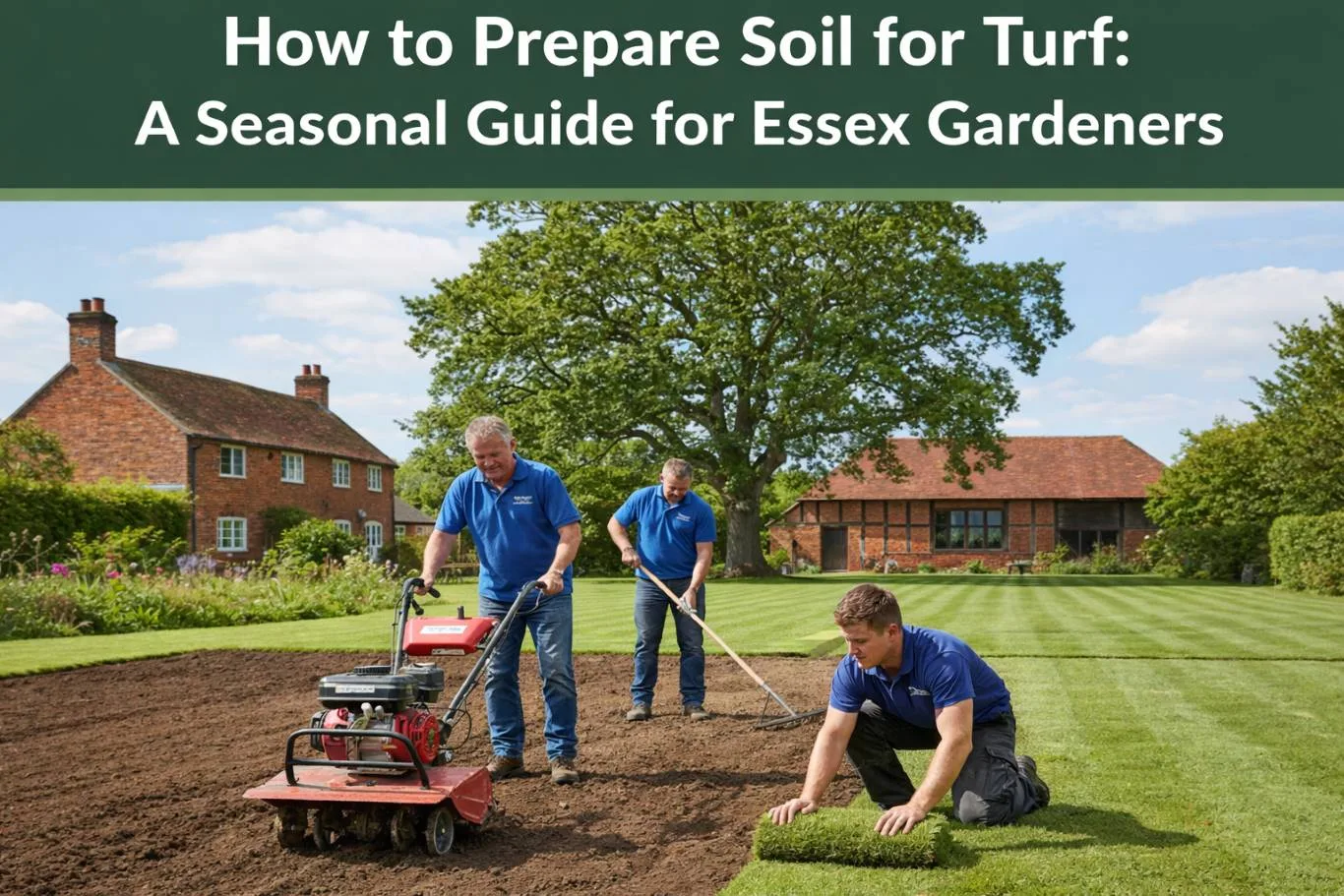
Once the surface is clear, the soil needs to be turned over. For small areas, a garden fork will suffice, but for most gardens, a mechanical rotovator is the best tool for the job. You should aim to turn the soil to a depth of at least 150mm (6 inches). This introduces oxygen into the earth and breaks up the “pan”—the hard layer of soil that prevents water from draining properly.
Step 3: Improving the Soil Quality
This is the stage where you introduce amendments. If your soil is poor, spreading a layer of high-quality screened topsoil is highly recommended. Turf Supplies Essex focuses on providing the right base for their installations, often using nutrient-rich soil that gives the grass a head start. This is also the time to add a pre-turfing fertiliser. Look for a mix that is high in phosphorus, as this specific nutrient encourages rapid root growth rather than just top-growth of the blades.
Step 4: Leveling and Firming
Once the soil is turned and fed, it needs to be levelled. Use a wide landscaping rake to move soil from high spots into hollows. After raking, you must “tread” the ground. This involves walking over the entire area on your heels to collapse any air pockets. It might feel counter-intuitive to firm the ground after loosening it, but this step is crucial. If the ground is too soft, the turf will sink over time, leaving you with an uneven lawn. After treading, give it one final light rake to create a fine “tilth”—a crumbly surface texture that allows the turf roots to make immediate contact with the earth.
The Role of Topsoil in Preparation
You cannot underestimate the value of good topsoil. If your garden has been a construction site or has been neglected for years, the existing “soil” might be little more than dust and rubble. Bringing in fresh, fertile topsoil ensures that your new turf has a consistent medium to grow in. It also makes the levelling process much easier, as the fresh soil is easy to rake and manipulate compared to heavy, established garden earth.
Professional Installation vs. DIY
While the steps above are straightforward, they are physically demanding. A standard garden might require several tonnes of soil to be moved by hand, and the treading and raking process requires a keen eye for levels. This is why many Essex homeowners opt for a professional service.
Choosing a company like Turf Supplies Essex means that the entire “how to prepare soil for turf” checklist is handled by experts. From the initial clearance and rotovating to the final precision levelling and laying, professional installers use industrial-grade equipment that achieves a flatter, more stable finish than is typically possible with hand tools. Furthermore, a professional installation usually comes with the peace of mind that the grass has been laid correctly to prevent gaps or drying out.
Thinking to get ground preparation services?
Maintaining the Soil Post-Installation
Once the soil is prepared and the turf is down, the job isn’t quite finished. The first three weeks are critical. You must keep the soil beneath the turf moist—not just the grass itself. In dry weather, this might mean watering twice a day. Avoid walking on the new lawn for at least two to three weeks, as this can disturb the delicate new roots as they try to knit into your beautifully prepared soil.
Frequently Asked Questions
1. How deep should I dig when preparing soil for turf?
You should aim for a minimum depth of 100mm to 150mm. This provides enough loose, aerated soil for the roots to establish quickly. If the soil is particularly compacted, going slightly deeper with a rotovator will improve long-term drainage.
2. Do I really need to use fertiliser before laying turf?
While not strictly mandatory if your soil is exceptionally high quality, a pre-turfing fertiliser is highly recommended. It provides a concentrated burst of nutrients that helps the grass recover from the “shock” of being harvested and transported.
3. Can I lay new turf over my old grass?
Technically, you can, but it is a recipe for failure. The old grass will rot down, creating heat and gasses that can damage the new roots. It also prevents the new turf from making the direct contact with the soil that it needs to survive. Always remove the old lawn first.
4. Does Turf Supplies Essex cover all of the UK?
While we are specialists in the Essex region—covering Epping, Chelmsford, Romford, and beyond—we serve selected areas across the UK for premium turf supply. Our professional installation services are primarily focused on the Essex and surrounding areas to ensure a rapid response and local expertise.
5. How long does professional ground preparation take?
For an average-sized garden, ground preparation and turf laying can usually be completed in one to two days. Larger or more complex landscapes may take longer, especially if significant clearing or levelling is required.
Final Thoughts on Your New Lawn
A beautiful lawn is 20% the quality of the grass and 80% the quality of the preparation. By taking the time to understand how to prepare soil for turf, you are ensuring that your investment in your garden pays off for many years to come. Whether you choose to undertake the hard work yourself or hire a professional team to handle the heavy lifting, the goal remains the same: creating a healthy, living foundation for your outdoor life.
For those looking for a seamless experience, Turf Supplies Essex stands as a reliable and professional local provider for natural grass turf supply and installation. We take the guesswork out of ground prep, leaving you with nothing to do but enjoy your new, perfectly level, and vibrant lawn.