

Discovering your garden submerged under muddy puddles after persistent rainfall is one of the most disheartening sights a British homeowner can face. Learning how to fix a waterlogged lawn is essential when relentless autumn downpours and winter rain transform lush green grass into an unusable, squelching swamp. Across Essex and East Anglia, heavy London clay subsoils frequently prevent rainwater from percolating downward naturally, suffocating root networks, starving turf of essential oxygen, and triggering rapid moss and fungal infestations.
Leaving water standing on your lawn for days on end causes root rot and complete turf dieback. However, waterlogging is not an inevitable seasonal curse. By understanding the underlying mechanics of soil compaction, perched water tables, and surface runoff, you can deploy proven waterlogged lawn solutions that permanently restore healthy drainage. From straightforward aeration techniques to engineered subsurface drainage channels, practical remedies exist for every garden size and budget.
This comprehensive guide breaks down the physical causes of saturated turf, emergency winter rescue steps, mechanical spiking methods, and long-term soil conditioning strategies. Whether you are addressing minor seasonal squelch or chronic standing water, these practical methods will help you revive damaged turf and safeguard your garden throughout the wettest British winters.
Quick Summary
- Core Solution: Relieve soil compaction using mechanical hollow tining (100–150 mm depth) and backfill holes with washed silica sand.
- Emergency Rule: Never walk on waterlogged winter grass; foot traffic compresses saturated clay particles and destroys root oxygen pathways.
- Subsurface Remedy: Install perforated French drain coils with pea shingle for chronic standing water lasting longer than 48 hours.
- Long-Term Strategy: Annual autumn hollow tining and organic topdressing improve soil crumb structure across heavy Essex clay profiles.
📋 Table of Contents
- → 1. How to Fix a Waterlogged Lawn: Causes & Soil Mechanics
- → 2. Immediate Emergency Steps for Saturated Turf
- → 3. Aeration & Hollow Tining: How to Improve Drainage
- → 4. Sand Topdressing & Soil Profile Rebuilding
- → 5. Subsurface French Drains & Soakaway Engineering
- → 6. How to Prevent Winter Drainage Problems
- → 7. Repairing a Waterlogged Lawn in Spring
- → 8. Comparative Analysis: Choosing the Right Method
- → 9. Frequently Asked Questions
- → 10. Summary & Expert Lawn Care Guidance
Dealing with severe standing water or persistent boggy patches across your lawn? Speak directly with our local turf and drainage team for tailored advice:
1. How to Fix a Waterlogged Lawn: Causes & Soil Mechanics
Waterlogging occurs when the rate of rainfall arriving on your garden exceeds the soil’s physical infiltration capacity, filling every microscopic pore space with liquid and driving out vital atmospheric oxygen. Healthy turf roots require approximately 50% pore space divided equally between moisture and air. When water saturates the upper 100 mm of soil for extended periods, grass roots begin suffocating within 24 to 48 hours.
Several environmental and geological factors cause gardens across Essex, Hertfordshire, and Suffolk to suffer from poor drainage:
- Heavy London Clay Subsoils: Much of East Anglia rests on dense clay deposits. Clay particles are microscopic platelets that pack tightly together. When dry, clay hardens like concrete; when wet, it swells and creates an impenetrable barrier that halts downward water movement.
- Surface Compaction from Foot Traffic: Regular garden use, children playing, pets, and lawnmowers compact the topsoil. Compaction crushes aeration channels, causing rainwater to collect as standing puddles rather than soaking into the rootzone.
- Thick Thatch Accumulation: A spongy mat of dead grass stems, roots, and moss sitting between green grass blades and the soil surface acts like a sponge, holding moisture above the ground and preventing percolation.
- Topographical Low Spots: Uneven gardens with subtle depressions naturally channel runoff into localised basins, creating concentrated boggy zones where water has nowhere to escape.
- Elevated Groundwater Tables: Low-lying properties or gardens near river valleys experience high winter water tables, meaning subterranean soil is already saturated before rainfall begins.
Understanding which of these mechanisms affects your garden determines whether straightforward surface spiking will suffice or whether you require piped drainage infrastructure.
2. Immediate Emergency Steps for a Saturated Winter Lawn
When torrential rain leaves standing water across your garden during the cold months, attempting aggressive lawn care can cause catastrophic, irreversible damage. Before implementing long-term solutions, follow these immediate triage rules to minimise winter turf decline:
- Keep Off the Wet Grass Completely: Saturated turf has zero structural stability. Walking on waterlogged lawn soil forces remaining air out of the pore network and pushes grass crowns deep into anaerobic mud, creating an impermeable crust.
- Use Wooden Walking Boards for Essential Access: If you must cross the garden to reach a shed or compost bin, lay wide wooden scaffolding planks across the grass. Boards distribute human body weight over a wide surface area, preventing focused soil compaction.
- Remove Saturated Leaf Carpets: Damp fallen leaves block sunlight and trap ambient humidity against grass leaves, accelerating winter lawn diseases such as Fusarium patch (snow mould). Gently lift wet leaves using a flexible plastic leaf rake, standing on perimeter paths or boards.
- Disperse Concentrated Surface Pools: If water forms deep ponds in low hollows, use a soft garden besom broom to gently sweep standing water towards shrub borders, gravel pathways, or perimeter drainage ditches.
- Emergency Garden Fork Spiking: On isolated pooling spots, insert a standard garden fork 100–150 mm vertically into the wet ground. Gently rock the fork backward and forward by 10 to 15 degrees to open fissure lines without tearing the sod.
Following these emergency protocols keeps turf crowns alive until ground conditions dry sufficiently for mechanical remediation. For broader seasonal lawn management advice, explore our comprehensive guide on winter lawn care in Essex.
3. Mechanical Aeration & Hollow Tining: How to Improve Lawn Drainage
When evaluating how to improve lawn drainage over the long term, mechanical aeration is the single most effective cultural practice available to homeowners. Aeration physically punches thousands of vertical passageways through compacted soil, establishing permanent pathways through which oxygen, water, and vital nutrients flow directly into the rootzone.
There are two primary methods of aerating domestic lawns:
Solid Tine Spiking vs. Hollow Tine Core Extraction
- Solid Tining (Spiking): Uses solid round or knife-shaped steel spikes pushed into the soil. While solid tining creates temporary vertical drainage holes, in dense clay soils it can actually increase lateral compaction by compressing soil outwards against the hole walls. Solid spiking is best suited for regular maintenance on sandy or loamy soils.
- Hollow Tining (Core Aeration): Uses hollow, barrel-shaped steel tines that physically extract cylindrical cores of soil (typically 10–15 mm in diameter and 100–150 mm long) out of the turf and deposit them on the surface. By removing soil volume, hollow tining genuinely relieves ground pressure and creates deep, open channels that can be backfilled with free-draining materials.
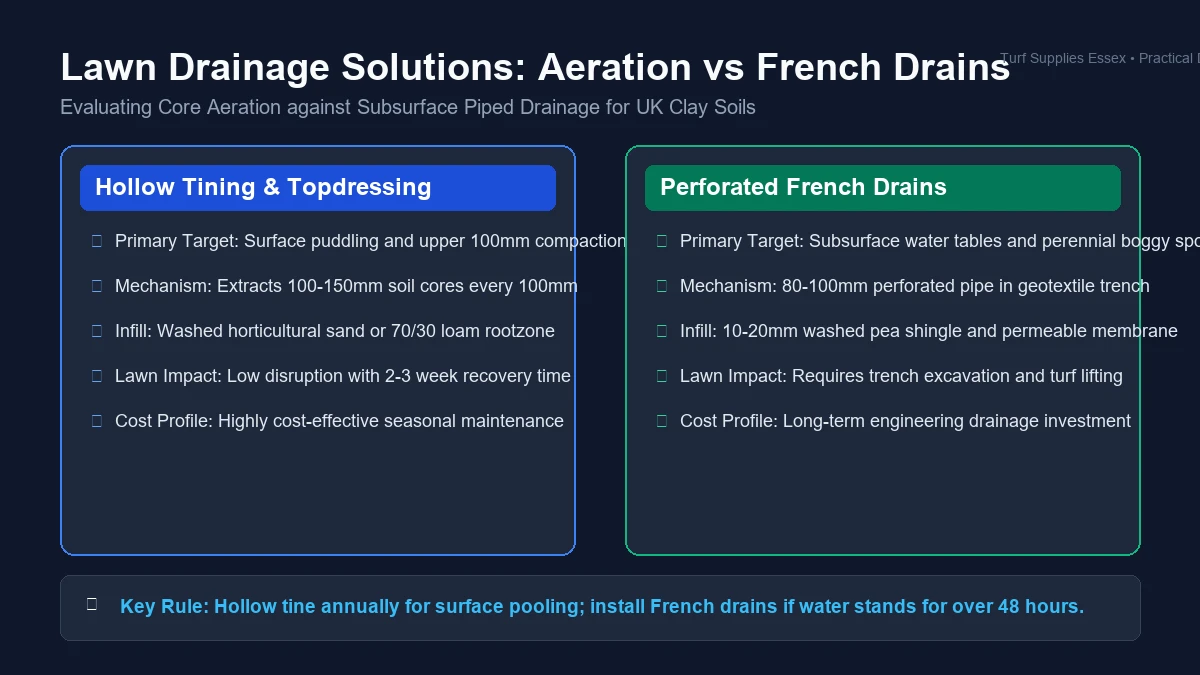
Figure 1: Architectural comparison between seasonal hollow tining and subsurface piped French drain infrastructure.
The 4-Step Hollow Tining Procedure
To execute core aeration successfully without damaging wet grass:
- Wait for Favourable Soil Moisture: Never aerate bone-dry clay (the tines will not penetrate) or submerged, muddy ground (the holes will smear and collapse). Aim for mild autumn days or early spring when soil is consistently moist.
- Execute Hollow Core Extraction: Using a manual hollow tine aerator or hire a motorised core aerator for large lawns, work methodically across the turf in parallel passes. Maintain a grid pattern with 100–150 mm between core holes.
- Collect and Remove Soil Cores: Rake up the extracted clay cores using a spring-tine rake. Do not leave heavy clay cores to break down back into the lawn surface, as they will wash back into the newly opened channels and seal them. Compost the cores or distribute them in vegetable garden beds.
- Prepare for Immediate Infilling: Leave the vertical holes open and proceed directly to topdressing with clean, washed silica sand before rain can collapse the channels.
For gardens with intense London clay subsoil profiles, review our specialist breakdown on how to lay turf on heavy clay soil to understand rootzone preparation standards.
4. Sand Topdressing & Long-Term Soil Structure Rebuilding
Simply punching hollow tine holes into wet ground offers only temporary relief; without structural support, surrounding clay will naturally swell, wash, and collapse back into the voids within a few weeks. To turn temporary holes into permanent drainage conduits, you must backfill them with high-grade sand topdressing.
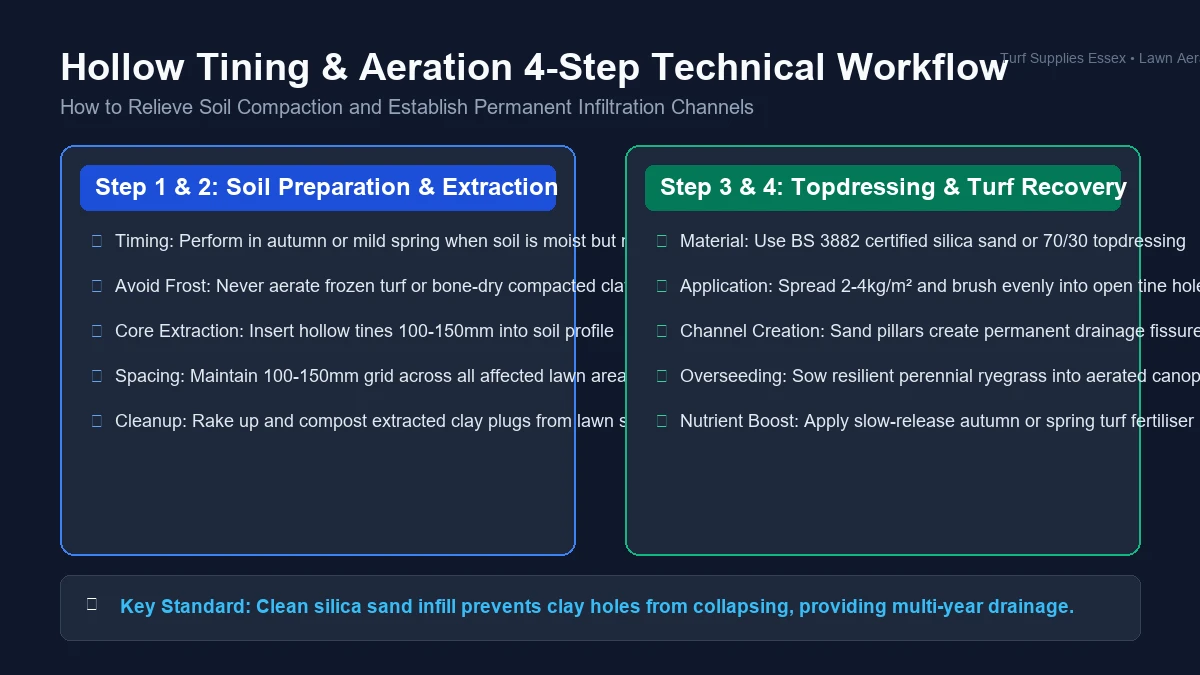
Figure 2: The step-by-step hollow tining and sand rootzone infilling procedure for heavy domestic lawns.
Choosing the Correct Topdressing Material
Using the wrong sand can ruin garden soil. Never use standard yellow building sand or builders’ sharp sand, as fine particles combined with natural clay create a dense, cement-like consistency:
- Washed Horticultural Silica Sand: Uniform, sub-angular to rounded silica quartz particles (0.25 mm to 1.0 mm grain size) that resist compaction and remain permanently porous.
- 70/30 Rootzone Topdressing Blend: A professional mix of 70% graded washed silica sand and 30% screened, sterilised organic loam. This blend introduces drainage while supplying organic matter to nourish grass roots.
- British Standard Topsoil: When filling deep lawn hollows, always use certified materials compliant with British Standard 3882. For full specifications, consult our detailed guide explaining what is BS3882 topsoil.
Application and Infilling Method
- Ensure the lawn surface is completely dry to touch before spreading topdressing, otherwise sand sticks to wet grass blades instead of falling into holes.
- Distribute topdressing evenly across the lawn at a rate of 2 to 4 kg per square metre (m²), concentrating material over heavily aerated sections.
- Use a stiff yard brush, rubber drag mat, or the back of a wide landscaping rake to work the sand deep into the open hollow tine perforations.
- Brush until the sand level sits flush with the base of the grass crowns, ensuring the vertical sand pillars reach down 100–150 mm into the subsoil.
These sand pillars act as permanent underground drainage wicks, allowing standing surface water to bypass the compacted upper crust and filter rapidly into lower subsoil layers. To source certified materials for your garden, explore our 10mm agriculture screened premium topsoil 1 ton bags.
5. Subsurface Drainage Engineering: French Drains and Soakaways
When poor lawn drainage stems from high groundwater tables, impervious rock layers, or substantial runoff from adjoining slopes, surface aeration alone cannot absorb the sheer volume of water. In severe cases, installing subterranean piped drainage represents the only permanent solution.
Under British engineering and building standards, subsurface garden drainage relies on two primary systems:
A. French Drain Lateral Grid Systems
A French drain consists of a gently sloped trench containing perforated corrugated drainage pipe encased in washed gravel and permeable geotextile membrane:
- Trench Dimensions: Excavate trenches 200–300 mm wide and 350–500 mm deep across the wettest zones of the garden.
- Fall Gradient: Trenches must incorporate a consistent downward slope of at least 1:100 (a 10 mm drop for every 1 metre of linear length) towards a suitable discharge point.
- Geotextile Lining: Line the trench bottom and sides with non-woven geotextile drainage membrane. This fabric permits water entry while preventing fine clay particles from washing into and blocking the gravel.
- Bedding & Pipe: Lay a 50 mm bed of 10–20 mm washed pea gravel, set an 80 mm or 100 mm perforated land drainage coil on top with perforations facing downward, and backfill with gravel to within 100 mm of the surface.
- Surface Reinstatement: Wrap the fabric over the gravel core, spread free-draining sandy loam, and relay fresh turf rolls flush with surrounding lawn levels.
B. Domestic Soakaways & Regulatory Compliance
Under the UK Building Regulations Approved Document H (Drainage and Waste Disposal), surface rainwater must never be discharged directly into public foul sewers or directed onto neighbouring private property without formal legal consent:
- Soakaways must be situated in natural ground at least 5 metres away from domestic building foundations and at least 2.5 metres from property boundary lines.
- Modern soakaways employ modular cellular plastic crates (attenuation crates) wrapped in permeable membrane, providing high void ratios (over 90%) to temporarily capture heavy stormwater surges before slowly releasing water into deep subsoil.
According to authoritative technical guidance from the Royal Horticultural Society (RHS), gardens suffering from severe chronic waterlogging should combine perimeter interceptor drains with deep soakaways to permanently break saturated conditions. Homeowners across Essex can also check local landscaping guidance via our verified Turf Supplies Essex Google Business profile.
6. How to Prevent Lawn Waterlogging During Rainy & Winter Seasons
Preventative maintenance carried out during late summer and autumn dramatically reduces the severity of winter lawn drainage problems. Proactive lawn care strengthens root depth, reduces thatch density, and optimises soil porosity before heavy seasonal rainfall arrives.
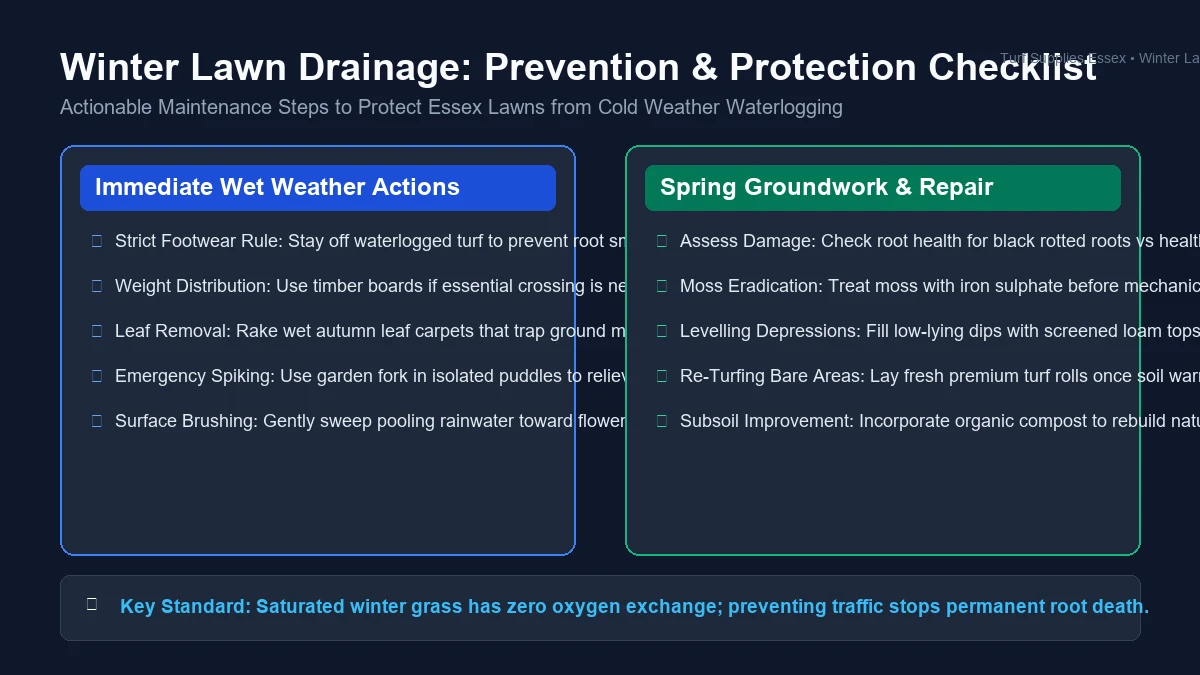
Figure 3: Comprehensive checklist covering immediate winter wet-weather protection and long-term soil conditioning.
To protect your garden lawn against winter saturation, follow this seasonal checklist:
- Late Summer Scarification: Mechanically scarify your lawn in September to remove dead moss and fibrous thatch. A heavy thatch layer holds surface moisture like a sponge, promoting fungal diseases and suffocating grass blades.
- Apply Autumn Lawn Feed: In September or October, apply an autumn-specific fertiliser high in potassium and phosphorus with minimal nitrogen. Potassium strengthens grass cell wall structure, increasing cold tolerance and resistance to root fungal decay during wet weather.
- Manage Moss Proactively: Moss thrives in waterlogged, acidic, and compacted conditions. Treat developing moss patches in October with an iron sulphate solution, which blackens moss within hours and hardens turf against winter pathogens.
- Prune Overhanging Trees and Shrubs: Winter sunlight is scarce in the UK. Thin tree canopies and trim back dense boundary hedging to maximise solar exposure and air movement across damp lawn sections, accelerating natural surface evaporation.
- Clear Surface Gutters and Downpipes: Ensure residential roof guttering, shed downpipes, and conservatory drainage channels do not spill excess stormwater directly onto lawn edges during winter storms.
7. Repairing a Waterlogged Lawn in Spring: Overseeding and Re-Turfing
Once winter downpours subside and soil temperatures begin climbing in March and April, it is time to assess damage and focus on repairing a waterlogged lawn. Prolonged saturation often leaves grass thin, yellowed, and dotted with dead, muddy patches where turf crowns have drowned.
Assessing Root Survival
Before applying treatments, extract a small 50 mm soil plug with a trowel and inspect grass roots:
* Healthy Roots: Creamy-white, firm, and fibrous roots indicate the turf survived saturation and can recover through feeding and aeration.
* Dead / Rotted Roots: Black, slimy, foul-smelling roots indicate anaerobic root death. Saturated turf with dead roots will not regenerate naturally and requires complete re-turfing or aggressive overseeding.
Step-by-Step Spring Lawn Restoration
- Rake Away Dead Debris: Gently clear dead grass foliage, decaying moss, and surface silt using a light spring-tine rake once the soil is firm underfoot.
- Spring Aeration: Perform a light aeration pass across damaged areas to reopen surface pores compacted by winter moisture.
- Overseed Bare Patches: Sow high-performance grass seed cultivars containing dwarf perennial ryegrass and strong creeping red fescue. Perennial ryegrass germinates rapidly (7 to 10 days) and exhibits superior tolerance to damp soil and foot traffic.
- Topdress Seedbed: Lightly dust newly sown seed with 2 to 3 mm of screened topsoil to protect seed from birds and retain vital germination moisture.
- Apply Balanced Spring Fertiliser: Once seedlings emerge, apply a balanced spring lawn fertiliser containing slow-release nitrogen to stimulate root recovery and vibrant green colour.
Where turf damage is widespread and waterlogging has completely killed large garden sections, replacing dead sod with newly harvested lawn rolls is the fastest path to recovery. To evaluate whether your garden requires renovation or a fresh installation, read our expert analysis on lawn replacement: 5 signs to replace vs repair.
8. Comparative Analysis: Choosing the Right Drainage Solution
Selecting the most suitable drainage intervention depends on soil type, severity of waterlogging, garden access, and installation budget. The table below outlines the core specifications, costs, and long-term durability of each method:
| Drainage Method | Target Issue | Soil Compatibility | Estimated Cost | Lifespan | Disruption Level |
|---|---|---|---|---|---|
| Solid Fork Spiking | Emergency localised puddles | Loamy & sandy soils only | £0 (DIY with garden fork) | 1–2 months | Negligible |
| Hollow Tining & Sand Topdressing | Upper 100mm compaction & surface squelch | All soils (critical for clay) | £1.50–£4.00 per m² | 12–24 months (annual maintenance) | Low (recovers in 2–3 weeks) |
| French Drain Trench Grid | Subsurface water & slope runoff | Heavy clay & silty subsoils | £30–£60 per linear metre | 20+ years (with geotextile) | Moderate (trenching required) |
| Modular Cellular Soakaway | Chronic standing water & stormwater surges | Permeable subsoils & clay basins | £500–£1,200 installed | 25+ years | High (deep machine excavation) |
| Complete Subsoil Ground Re-Turfing | Total lawn death & severe profile compaction | All garden conditions | £12–£22 per m² (turf + topsoil) | Permanent with maintenance | Complete lawn renewal |
9. Frequently Asked Questions About Waterlogged Lawns
Can a lawn recover from waterlogging on its own?
Turf can survive underwater for 24 to 48 hours without lasting damage. However, if water stands on grass for over 4 to 5 consecutive days during mild weather, root suffocation and fungal infection inevitably kill the grass crowns. In winter cold, turf dormant metabolism allows it to survive slightly longer under water, but compaction must be relieved as soon as the water recedes to prevent permanent rot.
When is the best time of year to aerate a waterlogged lawn?
The optimal time for mechanical hollow tining in the UK is early autumn (September to October), when soil retains warmth, natural rainfall provides workable moisture, and grass is growing vigorously enough to recover quickly. A secondary window occurs in early spring (April), once hard frosts have passed and ground temperatures exceed 8°C. Never aerate frozen or totally submerged turf.
Will putting sharp sand on a waterlogged lawn fix the problem?
Spreading sand directly across the surface of a saturated lawn without prior core aeration will create a sticky, muddy slurry that worsens compaction. Sand is effective only when brushed into open vertical holes created by hollow tining, where it forms deep, uncompressible drainage pillars reaching into the subsoil.
Does spiked lawn aerator shoes really work?
Lawn aerator shoes with solid spikes provide very limited drainage benefits. While they punch small pinholes into surface soil, the pressure of human body weight on small solid spikes actually compresses clay outward, worsening lateral compaction. For genuine drainage improvements, use hollow tines that physically remove cores of soil.
How far must a garden soakaway be from my house?
Under UK Building Regulations Approved Document H, a domestic rainwater soakaway must be installed at least 5 metres away from building foundations and external walls. This safety clearance ensures subterranean water discharge does not destabilise building foundations or cause damp ingress in nearby basements and footings.
10. Summary & Expert Lawn Care Guidance
Persistent garden waterlogging is a frustrating challenge for UK property owners, but it is entirely solvable with methodical planning and correct materials. By identifying whether compaction sits in the upper thatch layer or deeper within heavy subsoils, you can apply the right combination of core aeration, sand topdressing, and French drain engineering to banish muddy puddles permanently.
Protecting your lawn during the wettest winter months by restricting foot traffic, clearing suffocating leaves, and conducting timely autumn hollow tining safeguards root health for years to come. When spring arrives, overseeding worn patches and feeding with balanced nutrients will restore a vibrant, resilient lawn ready for summer outdoor living.
Restore healthy green grass and banish winter puddles for good—contact our Essex turf and drainage specialists today for expert support: