
Quick Summary
- Yes, laying turf in winter is not only possible in the UK, but often advantageous due to natural soil moisture and zero risk of heat scorch.
- Fresh turf can be successfully laid between November and February as long as the soil beneath is not frozen solid or waterlogged.
- Cold-weather installation virtually eliminates intensive hosepipe watering, letting nature keep the root zone hydrated.
- While top growth remains semi-dormant, turf roots quietly establish into unfrozen subsoil, priming your lawn for explosive spring growth.
- Using wooden laying boards protects fragile winter ground and prevents soil compaction during installation.
- Turf Supplies Essex provides top-quality natural turf rolls with delivery & installation services, including landscaping materials like topsoil & wood chippings, helping gardens across Essex, East London, and North London achieve healthy lawns year-round.
Introduction
One of the most persistent myths in British gardening is that lawn installation must stop completely once autumn draws to a close. Homeowners often believe that cold temperatures, morning frost, and shorter days make winter an impossible time to establish new grass. In reality, laying turf in winter is a well-kept secret among professional landscapers and groundskeepers. Unlike delicate grass seed—which requires consistent soil warmth above 9°C to 10°C to germinate—cultivated natural turf rolls arrive with a mature, fully developed root matrix and pre-grown foliage. Provided the soil is workable and free from standing water, can you lay turf in winter successfully? Absolutely. When undertaken with proper ground preparation, winter installations avoid the heat stress, turf shrinkage, and heavy water bills associated with summer projects. Operating as an established local specialist, Turf Supplies Essex provides top-quality natural turf rolls with delivery & installation services, including landscaping materials like topsoil & wood chippings, giving property owners across Essex, East London, and North London the reliable materials and expert support needed to install a thriving winter lawn.
- Quick Summary
- Introduction
- The Biological Science: How Grass Behaves in Winter
- When Can You Lay Turf in Winter? (And When Should You Wait?)
- Pros and Cons of a Winter Lawn Installation
- The Key Advantages
- The Trade-offs to Consider
- Step-by-Step Guide: Preparing Soil for Winter Turf Installation
- Winter Turf Care Tips: Caring for Your New Sward
- Real-Life Trade Insight: Commercial & Domestic Landscaping
- FAQs Section
- Final Thoughts: Beat the Spring Rush with a Winter Turf Installation
From checking local ground conditions to booking prompt driveway delivery across Essex and London—reach out on WhatsApp now for a quick, no-obligation chat :
The Biological Science: How Grass Behaves in Winter
To understand why laying turf in cold weather works, it helps to look at how cool-season grasses (predominantly perennial ryegrass and fescues) function during the British winter:
• No mowing needed
• Zero transpiration stress
• Subsoil moisture absorbed
• Prepares for early spring burst
- Semi-Dormancy of Foliage: When air temperatures drop below 5°C, top-growth grinds to a halt. The grass blade stops growing upward, meaning you do not have to worry about mowing newly laid rolls.
- Sub-surface Root Development: While the blades rest, the soil a few inches below the surface retains residual geothermal warmth. As long as the subsoil does not freeze into an impermeable block, the roots remain biologically active. They slowly branch outward and anchor into the fresh topsoil, undisturbed by drying winds or intense UV radiation.
- Moisture Conservation: In summer, freshly laid turf can dry out, shrink, and open gaps within 24 hours without constant sprinkler irrigation. In winter, natural rainfall, high ambient humidity, and morning dew keep the soil consistently moist with almost zero effort.
When Can You Lay Turf in Winter? (And When Should You Wait?)
While winter offers substantial benefits, working with nature requires picking the right weather window:
| GREEN LIGHT (Proceed with Laying): | RED LIGHT (Hold Off & Wait): |
|---|---|
| Mild, overcast winter days (3°C–9°C) | Ground is frozen solid (>25mm deep) |
| Ground is damp but firm & workable | Soil is waterlogged or flooded |
| Light morning frost that thaws out | Heavy snow covers the lawn bed |
| Intermittent winter rain forecast | Torrential rain creates liquid mud |
- The Frozen Ground Rule: Never lay fresh turf over ground that is frozen solid. Frozen soil forms an impenetrable barrier that prevents root penetration and traps ice beneath the rolls, causing root rot when it thaws. However, if there is merely a crisp frost on the surface that melts by mid-morning, laying can proceed normally.
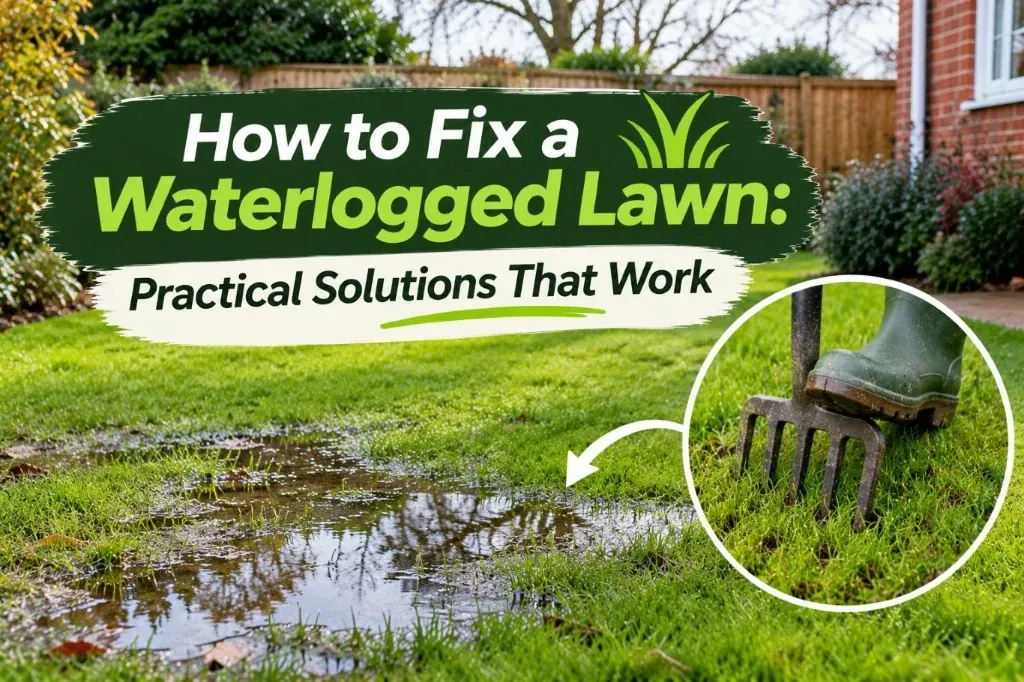
- The Waterlogging Rule: Heavy Essex and London clay can hold water during prolonged rainfall. Laying turf on liquid mud compacts the soil into an anaerobic bog, squeezing out the oxygen that roots need to survive. Wait until standing water drains and the soil can be raked into a crumbly tilth.
Pros and Cons of a Winter Lawn Installation
Evaluating the trade-offs of a winter installation helps you plan aftercare effectively:
The Key Advantages
- Virtually Zero Watering Needed: Seasonal rainfall and morning dew keep the root zone naturally hydrated, saving hours of manual hosepipe work and cutting down water meter costs.
- Longer Pallet Shelf Life: In hot summer weather, turf must be laid within 12 to 16 hours of harvest before it heats up and turns yellow. In winter, cooler temperatures allow rolls to remain fresh on the pallet for 48 hours or more without decomposing.
- Ready for Spring Use: Lawns installed between November and January establish deep roots over winter. By the time the first warm days of April arrive, your lawn is already knitted, green, and ready to withstand family barbecues and children playing.
- No Competition from Weeds: Weed seeds remain dormant in cold weather, allowing your newly laid grass to establish a dense sward without competing for light or soil nutrients.
The Trade-offs to Consider
- Slower Root Knitting: While summer turf can knit within 14 days, turf establishment in cold weather takes 4 to 8 weeks due to reduced metabolic rates.
- Shorter Daylight Working Windows: With the sun setting by 4:00 PM, site preparation and laying must be planned efficiently.
- Messier Groundwork: Wet winter soil requires extra care during rotavating and raking to avoid creating compacted muddy ruts.
Step-by-Step Guide: Preparing Soil for Winter Turf Installation
Successful winter turfing depends entirely on ground preparation. Rushing the groundwork will result in uneven surfaces and poor drainage:
- Clear Surface Vegetation: Mechanically strip the old, tired lawn or clear surface weeds using a turf cutter or sharp spade, removing the existing weed bank and organic thatch.
- Decompact the Subgrade: Rotavate the soil to a depth of 150mm. This is especially vital on Essex clay, as breaking the hard pan allows winter rainwater to filter into deeper subsoil layers.
- Condition the Soil Bed: Spread a 25mm to 50mm layer of 10mm Agriculture Screened Premium Grade Top Soil. Incorporating a fertile, free-draining sandy loam improves drainage and gives new root hairs loose soil to explore.
- Firm and Rake: Tread down the area with steady, overlapping footsteps to eliminate air pockets, then rake the surface level until you achieve a fine, crumbly tilth.
- Use Laying Boards: Never walk directly on prepared soil or newly laid turf in winter. Always work from wooden scaffold boards or plywood sheets. This spreads your body weight evenly, preventing deep foot impressions that trap puddles.
- Stagger the Seams: Lay rolls in a staggered, brickwork pattern, pushing edges tightly together without stretching them. Staggering ensures joints remain stable and prevents drying gaps from opening along seams.
Winter Turf Care Tips: Caring for Your New Sward
Once your turf is laid, following essential winter turf care tips protects the young grass until spring:
- Initial Settling Watering: Give the newly laid turf rolls a thorough soaking immediately after installation to settle the root bed into the fresh topsoil. After this initial soak, rely on natural rainfall unless a prolonged dry winter spell occurs.
- Keep Foot Traffic Off: Treat your new winter lawn as off-limits. Cold weather means root anchorage takes longer, and heavy footsteps will depress the soft, moist ground, leaving permanent muddy dips.
- Rake Away Trapped Leaves: Ensure wet autumn leaves do not collect over the new grass. A sodden leaf layer blocks winter sunlight and creates a humid microclimate that fosters fungal infections like snow mould.
- Hold the Lawnmower: Do not mow your winter turf until active growth resumes in spring. When you do take the first cut in March or April, ensure mower blades are sharp and set to their highest position (around 45mm to 50mm) to avoid tearing roots.
Real-Life Trade Insight: Commercial & Domestic Landscaping
Many commercial building developments and estate renovations rely exclusively on winter turfing. If you need a complete overhaul without the manual graft, our professional turf laying services across Essex, East London & North London take care of the entire process—from mechanical turf stripping and laser-grading to fresh delivery and tight-seam installation. Working with an experienced local contractor guarantees your garden avoids common seasonal mistakes like soil smearing and poor drainage falls.
FAQs Section
1. Can you lay turf when it’s frosty?
You should not lay turf if the soil underneath is frozen solid. However, if there is only a light, crisp morning frost on the ground that melts once the sun comes up, you can safely lay your turf. If the rolls themselves have frosted on the pallet, simply wait for them to thaw out before unrolling to avoid breaking brittle leaf blades.
2. How often should I water turf laid in winter?
In the UK, natural winter rainfall and morning dew are usually more than enough to keep the soil moist. You only need to give the turf a thorough watering immediately after laying to settle the root bed. Beyond that, supplemental watering is only needed during unusually dry, windy winter spells.
3. How long does it take for winter-laid turf to root?
Because soil temperatures are cooler, root development takes longer in winter than in summer. Expect winter turf to take roughly 4 to 8 weeks to knit into the soil, compared to 2 to 3 weeks during mild spring or autumn weather.
4. Which areas do your turf delivery and installation teams cover?
We provide scheduled delivery and complete turf installation services across all of Essex, East London, and North London, regularly serving residential gardens and commercial developments in Chelmsford, Brentwood, Romford, Chigwell, Epping, Loughton, and Enfield, alongside regional delivery to Suffolk, Cambridge, Hertfordshire, and Ipswich.
5. How quickly can you deliver fresh turf rolls during the winter months?
Because we harvest fresh cultivated grass rolls to order and run our own transport fleet, we consistently deliver turf, bulk bags of screened topsoil, and wood chippings within 24 to 48 hours of order confirmation, weather and ground conditions permitting.
Final Thoughts: Beat the Spring Rush with a Winter Turf Installation
You don’t need to stare at a muddy, patchy garden all winter while waiting for the warmer months to arrive. Choosing to install your lawn during the colder season takes advantage of reliable natural rainfall, eliminates heat stress, and ensures your grass establishes strong, deep roots while the rest of the garden is asleep. When spring rolls around, while others are just starting to dig up their lawns, your garden will already be a vibrant, thick, emerald-green sward ready to enjoy.
When you need farm-fresh cultivated grass rolls, screened topsoil, or turnkey site preparation, trust Turf Supplies Essex. Providing top-quality natural turf rolls with delivery & installation services, including landscaping materials like topsoil & wood chippings, our experienced team provides properties across Essex, East London, and North London with the high-grade supplies and practical advice needed to ensure project success in every season.
Contact our professional team today to discuss your garden project or arrange your winter turf delivery with installation services :